
From CardLock to the Logical Lock Box
I really, really liked the earlier versions of this locking mechanism.
The original Logical CardLock Case was thin and compact—essentially a reusable, lockable replacement for an envelope. It worked well for presenting a gift card, cash or perhaps a clue in a treasure hunt.
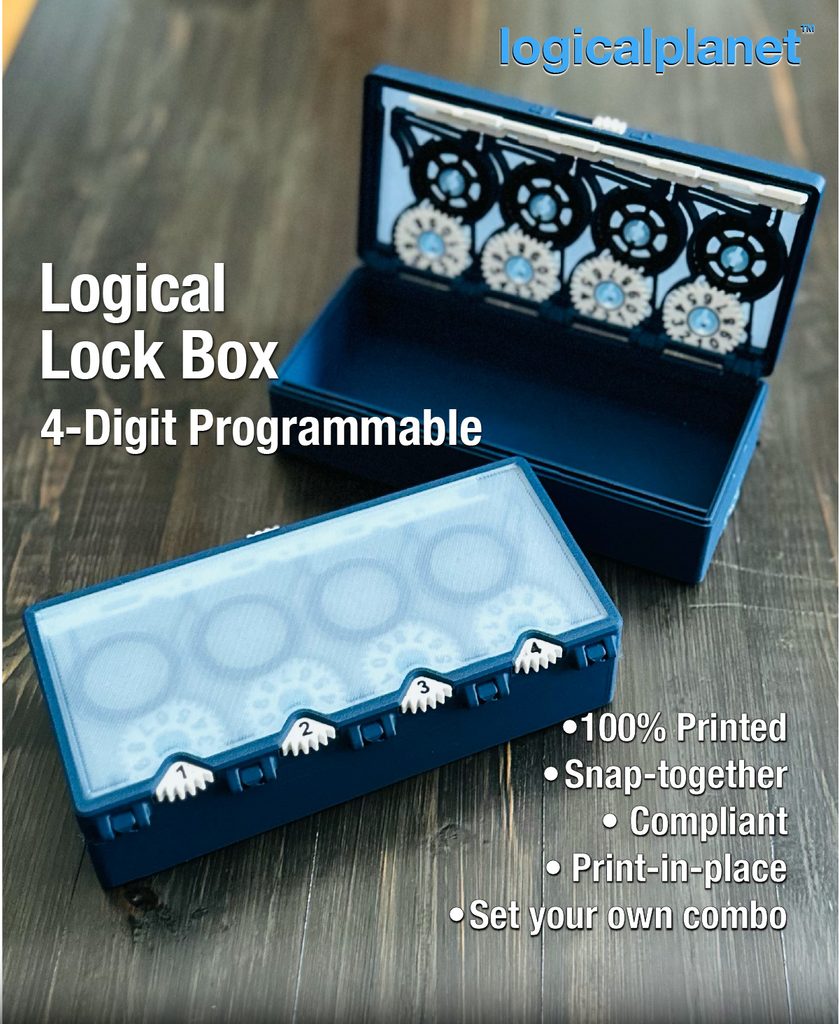
But as much as I liked those designs, they were still basically skinny boxes. The mechanism was fun, but the limited space inside restricted what you could actually do with it.
That led to a fairly obvious question: what if I turned it into a proper box?
Download the Logical Lock Box on Thangs
The Same Idea, Made More Useful
The result is the Logical Lock Box.
It uses the same basic mechanical idea I liked so much in the earlier designs, but now there is a genuinely useful storage compartment beneath it. That makes it much better suited to use as a puzzle box, gift box, keepsake box or simply a fun place to hide something.
The new version also expands the lock from three digits to four, giving it a more substantial mechanism and many more possible combinations.
Why I Like This Mechanism So Much
I love this locking mechanism. It is simple, programmable and super fun.
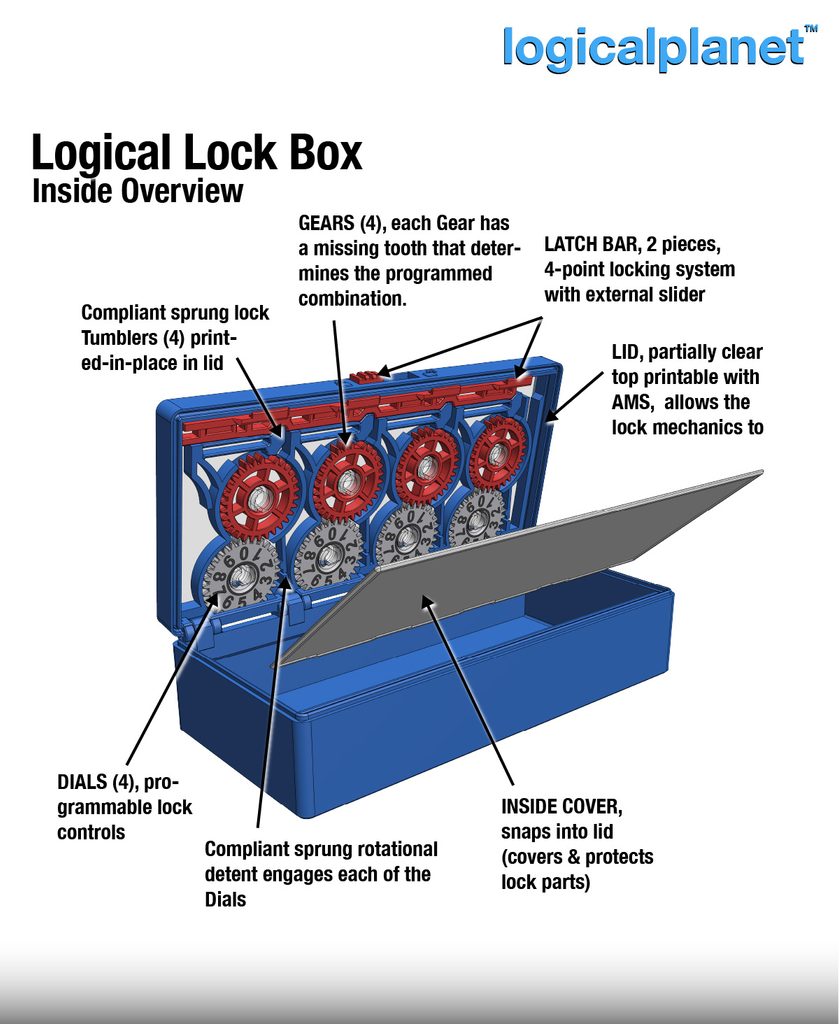
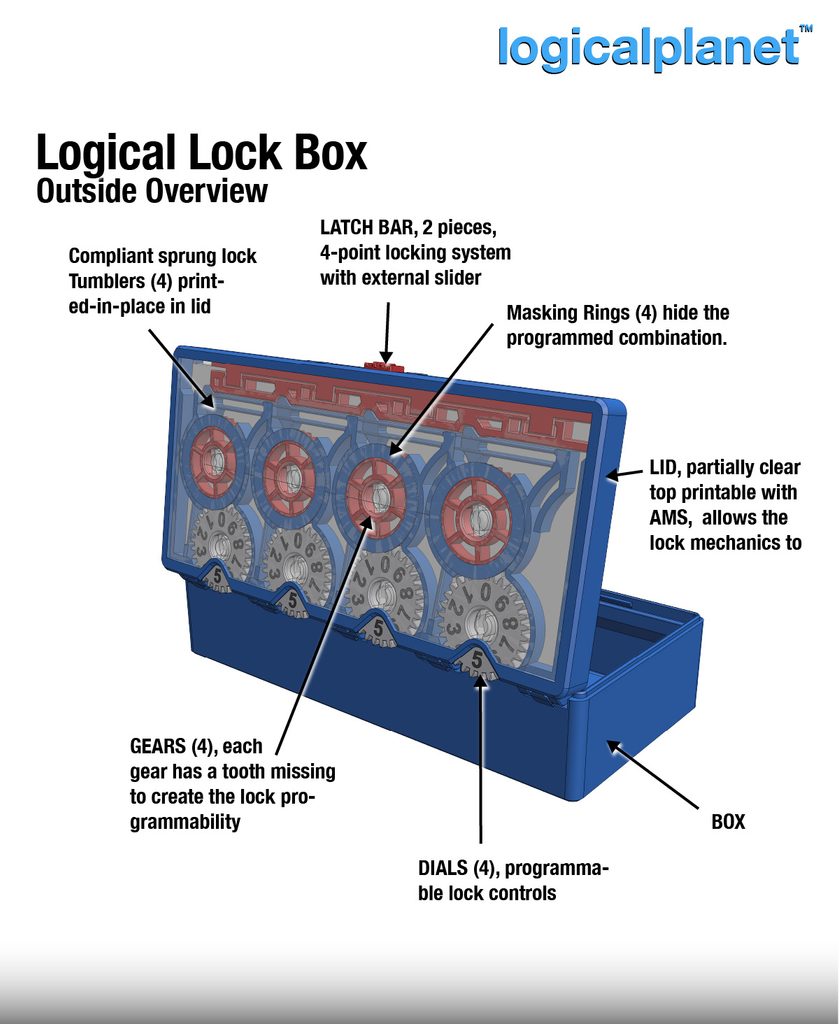
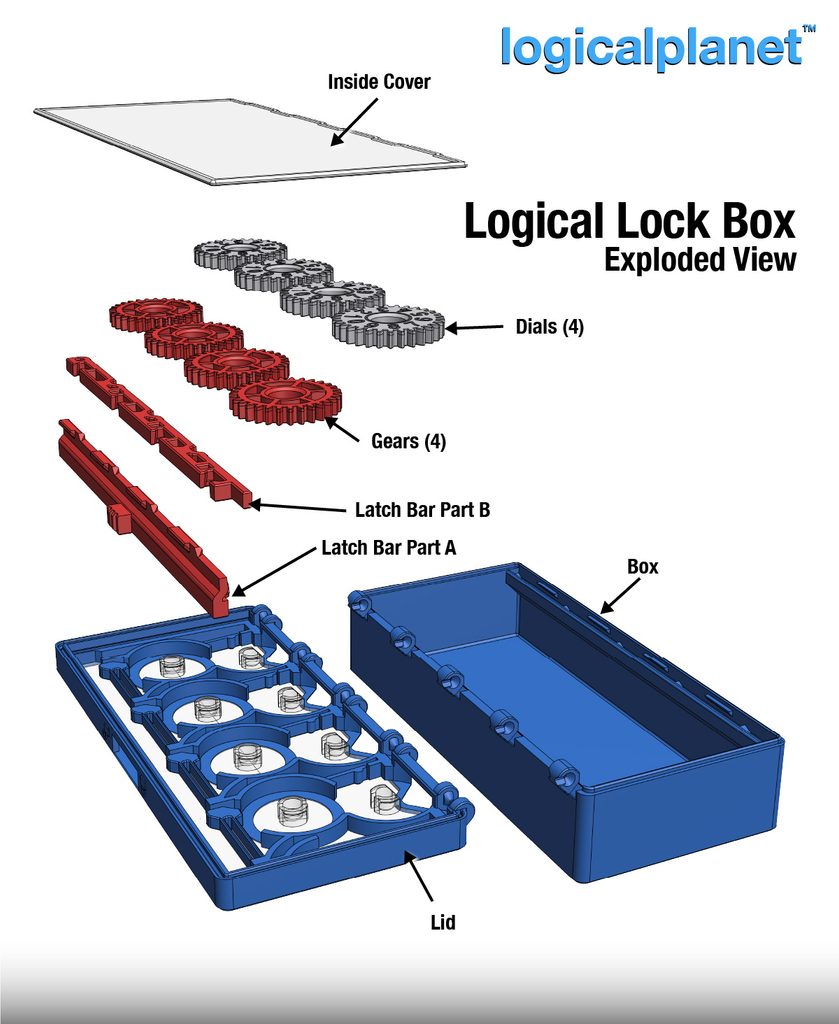
Each numbered dial controls the position of a locking gear. When the correct four-digit combination is entered, openings in the gears align with the compliant tumblers and allow the latch to slide.
If even one dial is wrong, the corresponding tumbler blocks the latch and keeps the box closed.
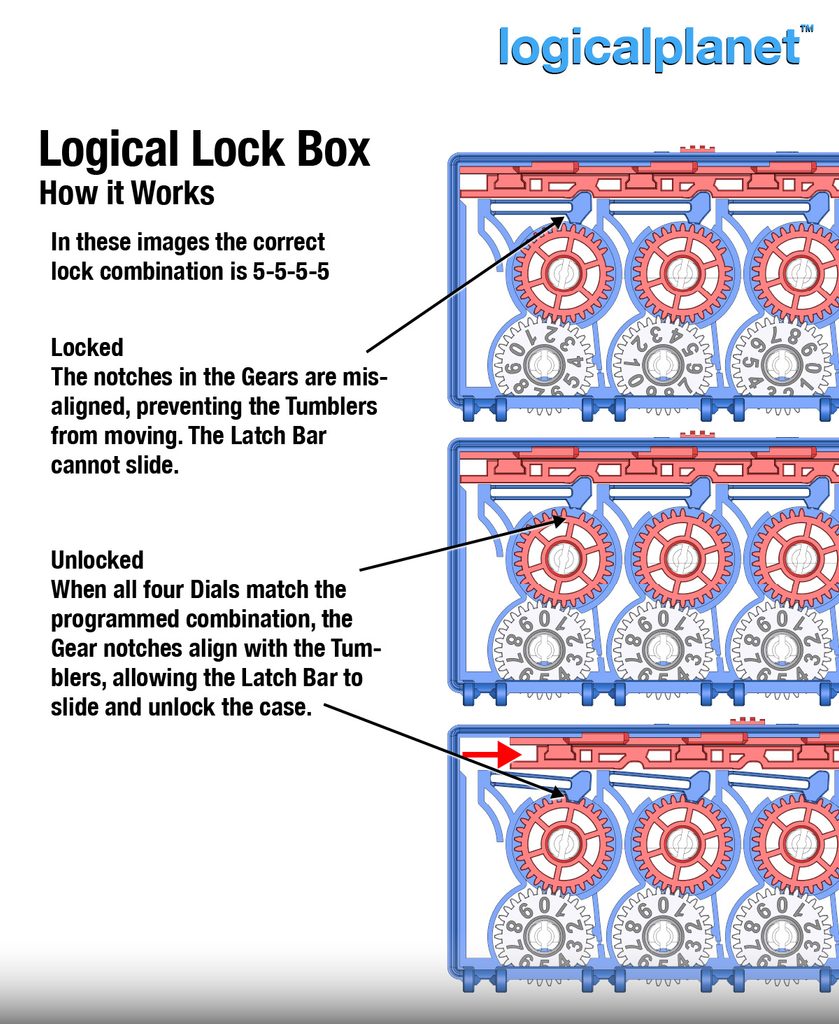
There are no metal springs, screws or electronic components involved. The spring action comes from compliant elements printed directly into the mechanism, and even the detents that give the dials their satisfying indexed movement are printed as part of the design.
Everything is 3D printed.
Putting the Mechanism on Display
Normally, the workings of a combination lock are hidden inside its case. With this design, I decided they should be part of the experience.
The clear cover leaves the gears and tumblers visible as the dials are turned. I find mechanical designs much more interesting when you can actually see what is happening inside them, and this one is particularly satisfying to watch.
Some strategic masking helps hide the parts of the gears that would make the combination too easy to identify, while still leaving most of the mechanism on display.
Set Your Own Combination
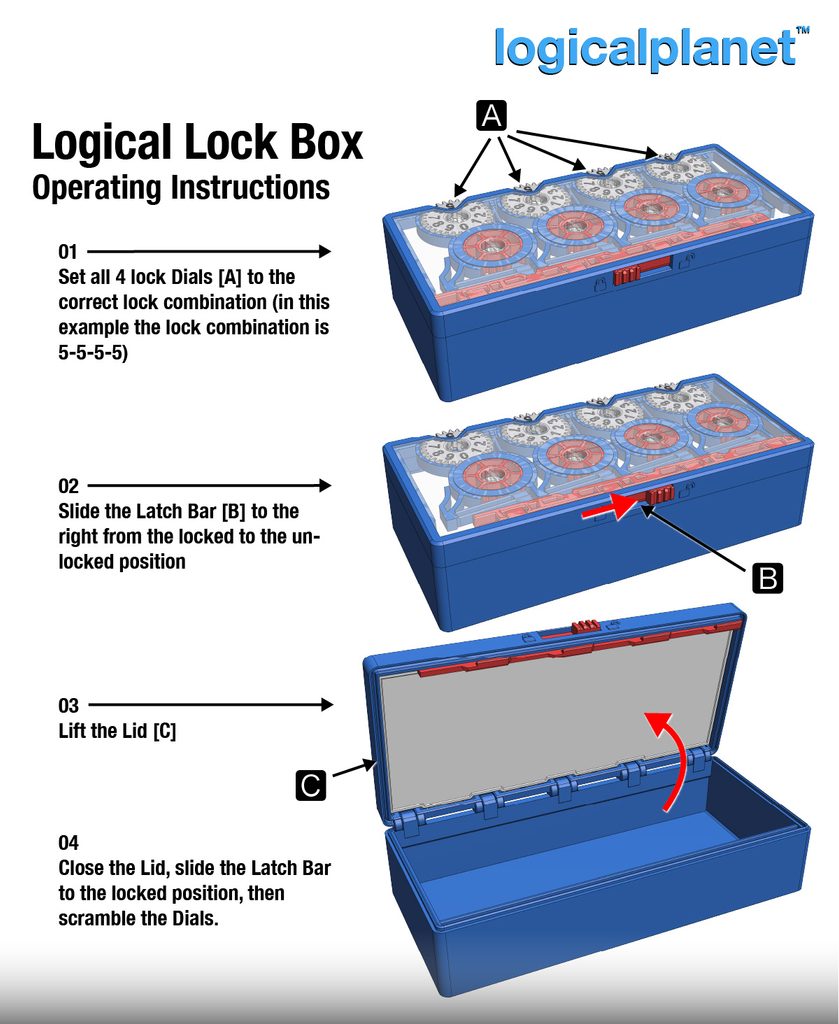
The four-digit code is determined by how the numbered dials are positioned relative to their locking gears during assembly.
That means you can choose your own combination rather than being stuck with one I selected. You can also open the mechanism and change the code again later.
Once the correct combination is entered, the latch can be moved and the lid opened. Enter the wrong combination and the tumblers prevent the latch from moving.
A Completely Printed Mechanical Build
The body, lid and hinge print together, while the dials, gears and latch components are installed afterward. The completed lock assembly then snaps onto the box without glue, screws or additional hardware.
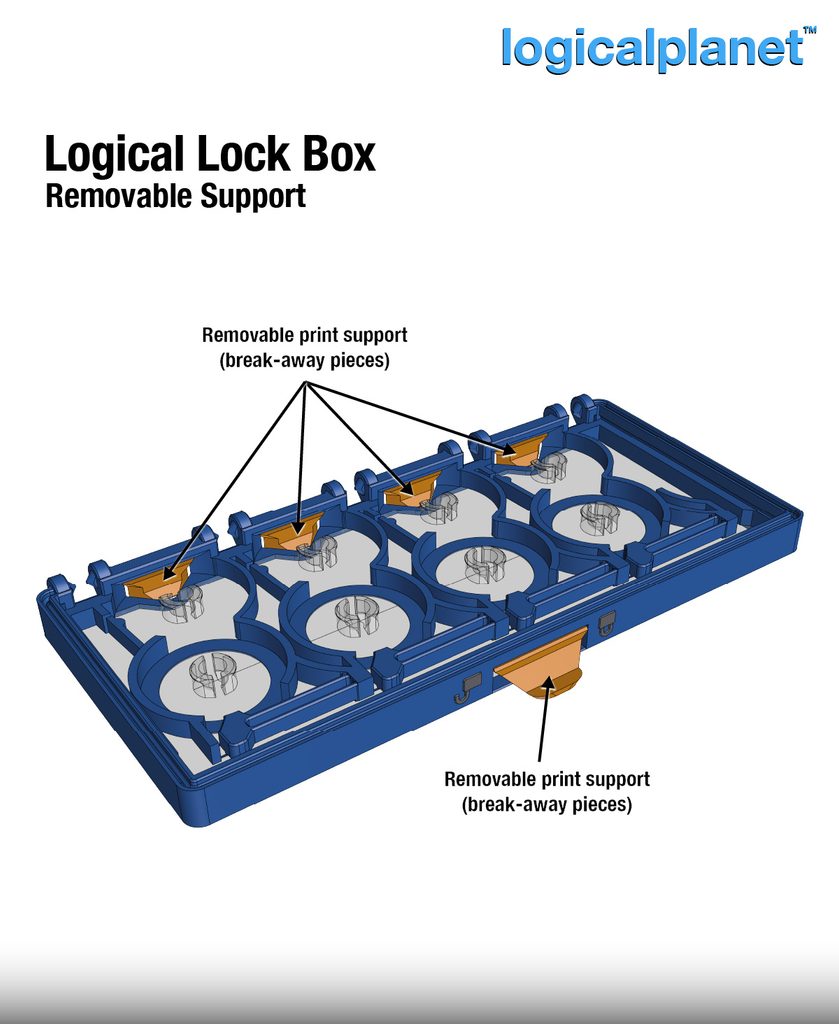
Even the temporary support beneath the lock mechanism is printed as part of the project and removed once it has done its job.
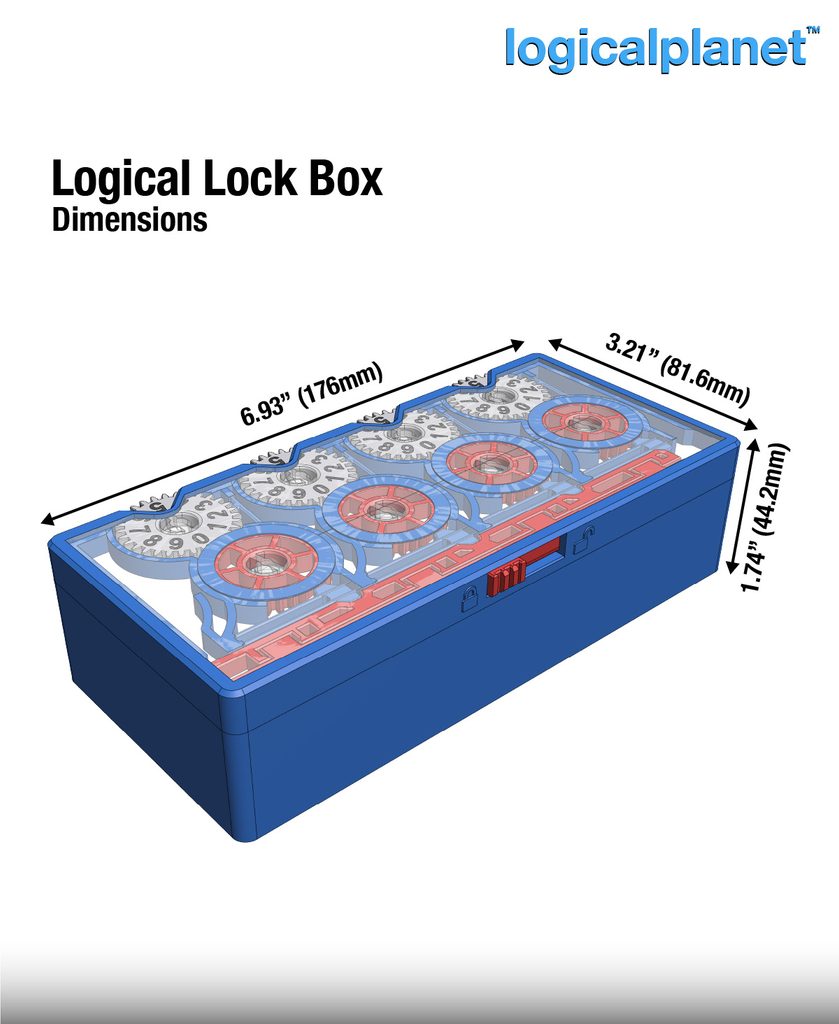
The finished box measures approximately 6.69 × 2.87 × 1.75 inches. It provides substantially more usable space than the earlier CardLock Case while keeping the mechanism as the main visual feature.
Assembly and Programming
There is some assembly involved, but I think that is part of what makes this design enjoyable. It feels more like building a small mechanical device than simply printing another container.
The lock components are installed in sequence, and the combination is programmed by setting the relationship between each numbered dial and its locking gear.
The illustrated instructions included with the model walk through the complete process.
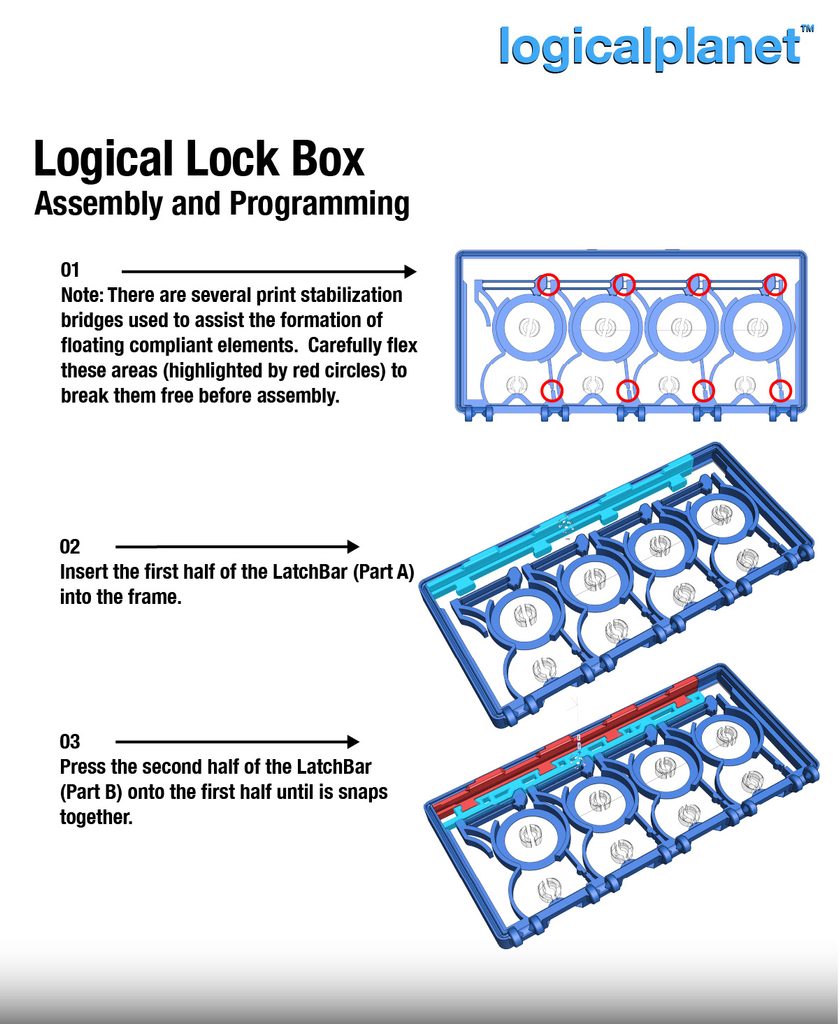
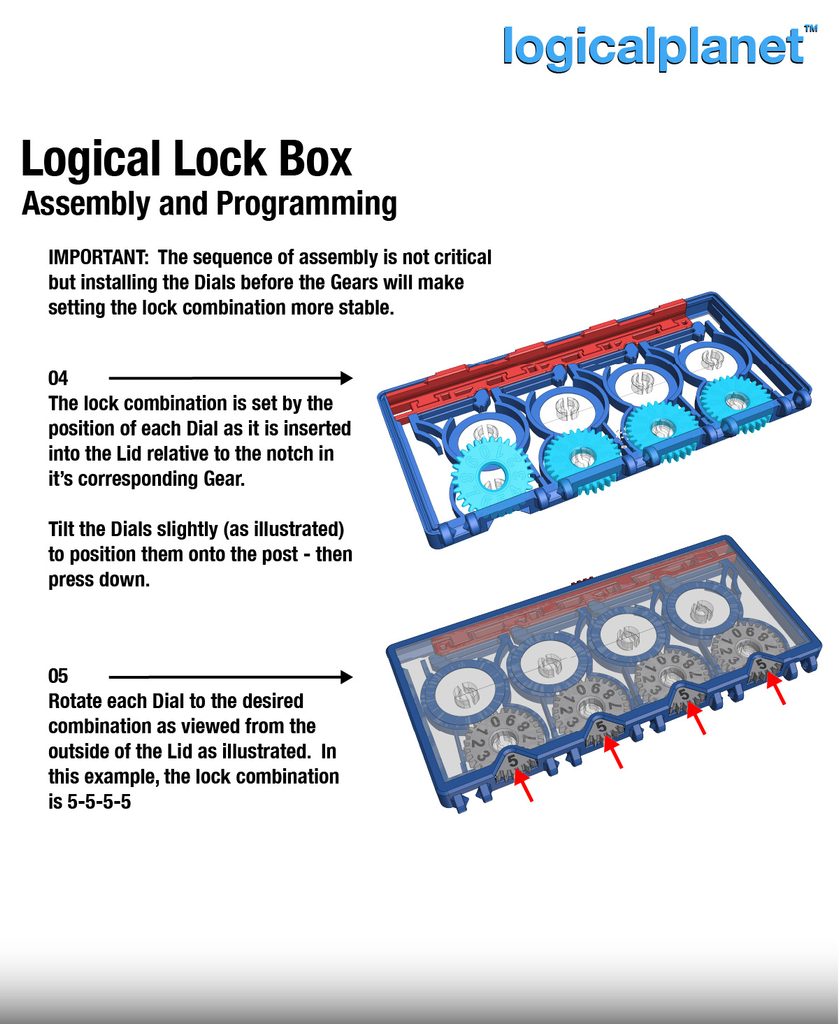
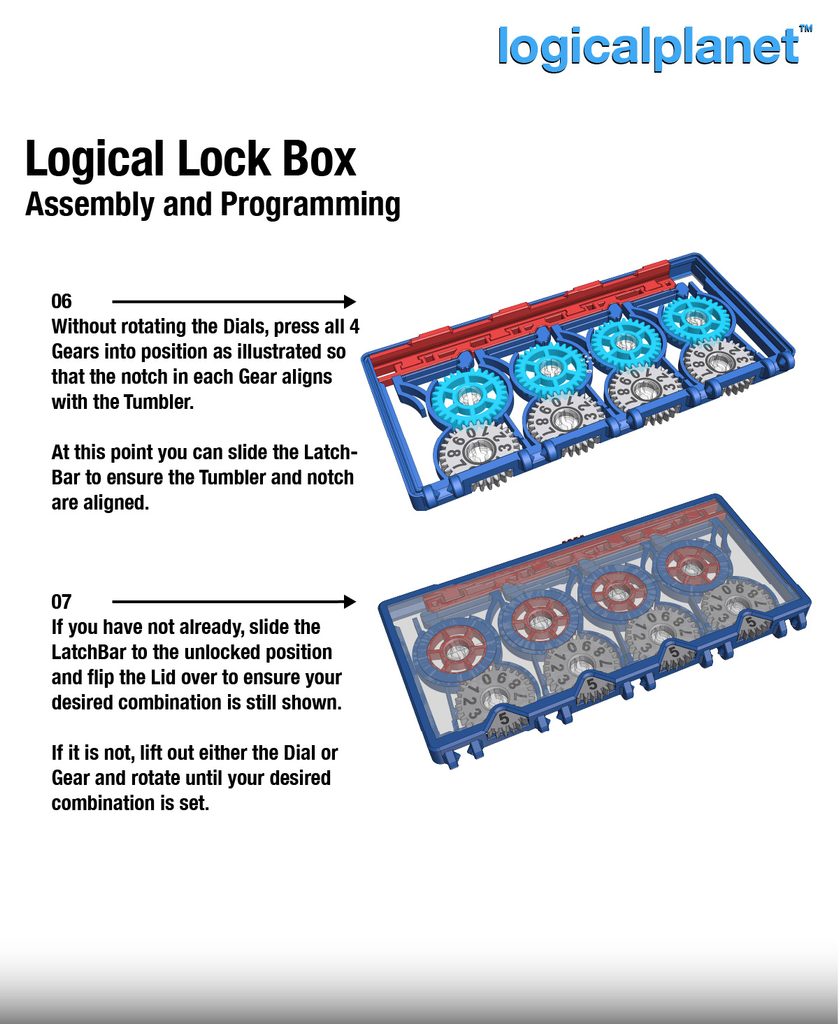
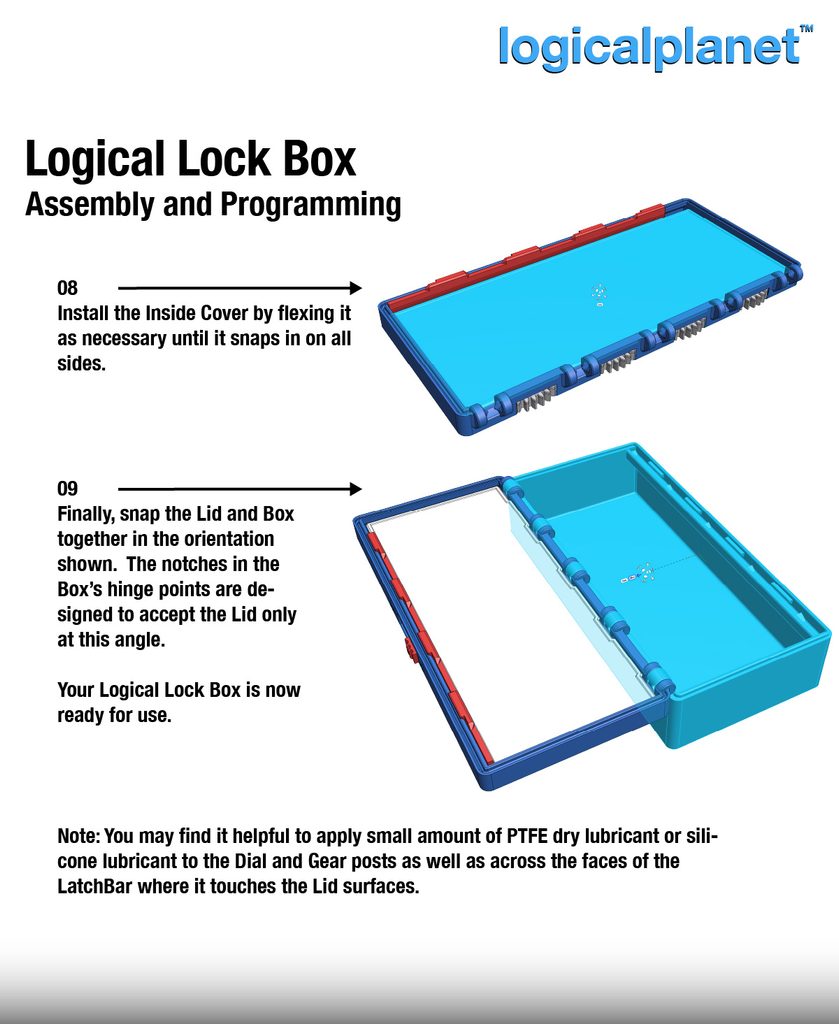
Once assembled, enter the correct code, slide the latch and lift the lid.
Then hand it to someone else without telling them the combination.
Printing the Logical Lock Box
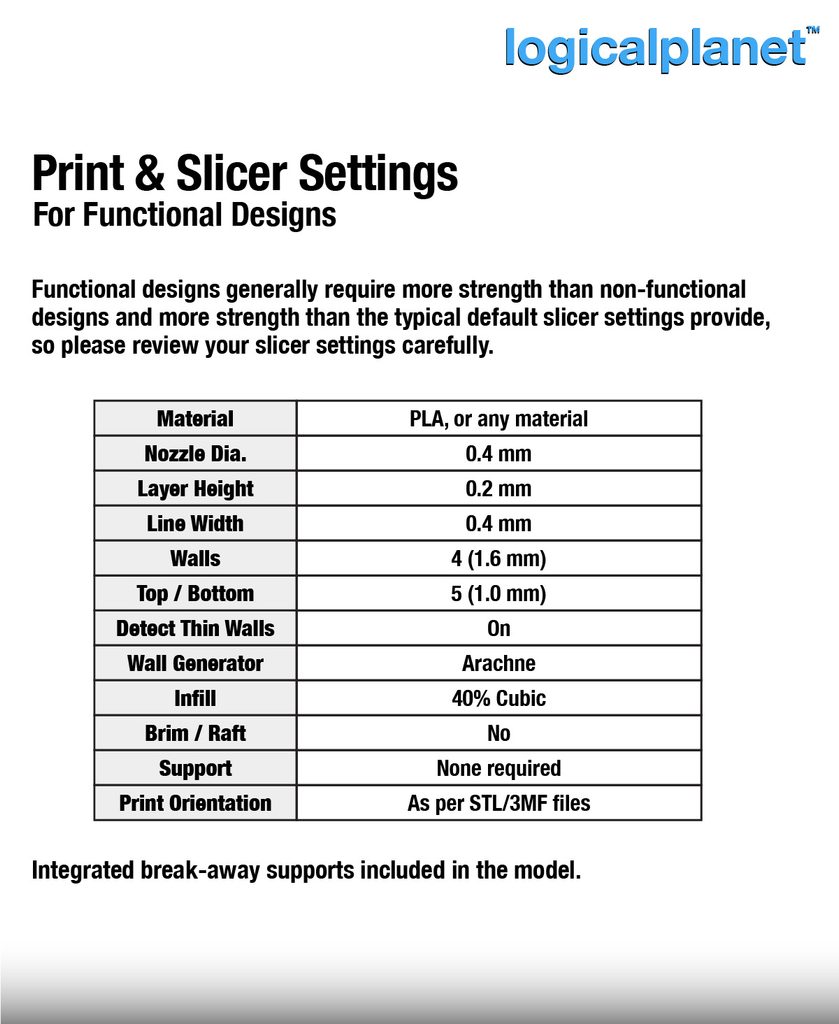
As with most functional prints, the slicer settings matter. The gears, compliant elements, hinge and snap connections all depend on the parts having enough strength and dimensional accuracy to work properly.
I have included the recommended slicer settings with the model rather than relying on typical default settings intended for decorative prints.
Download the Logical Lock Box
The model files, print settings and complete illustrated assembly instructions are available on Thangs:
Download the Logical Lock Box on Thangs
If you print one, I would love to see the colour combination you choose and hear what you use it for.
I still enjoy this mechanism enough that the Logical Lock Box may not be its final form.
Leave a Reply